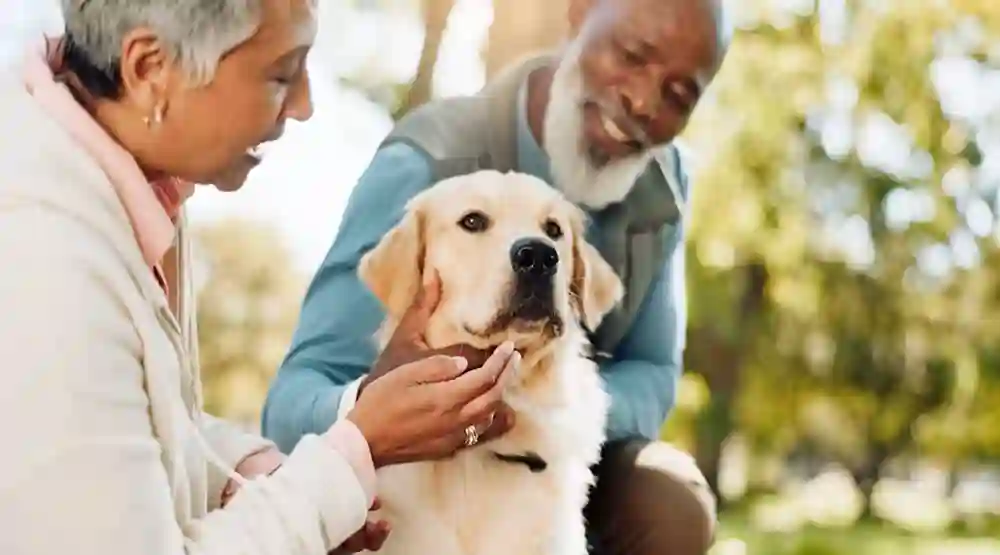
Pet training. Sounds simple, right? Just teach your dog to sit, your cat to chill, maybe toss a treat here and there. But anyone who’s tried it knows it’s kinda like juggling spaghetti—messy, slippery, and somehow hilarious. I remember when I first tried teaching my dog “stay,” and he stayed… right on my favorite shoes. Classic rookie mistake.
Here’s the deal: Pet training isn’t about perfection. It’s about making your furry friend feel safe, confident, and yes, slightly bossed around in a loving way. I’ll share some tips that actually work in real life, not just the Pinterest version.
Start Simple: Basic Commands First
When I was a kid, my neighbor had this parrot that learned to say “hello” in three days flat. Meanwhile, my dog couldn’t even grasp “sit” without thinking it was a new type of snack.
Keep it Short
- Use single-word commands: Sit. Stay. Come.
- Repeat them in the same tone every time.
- Never yell. Trust me, they’ll just tilt their head like, “Are you having a stroke?”
Positive Reinforcement
Treats, pets, verbal praise—whatever floats your pet’s boat. My cat once got a whole slice of cheese for napping in the right spot. Felt kinda weird rewarding a nap, but hey, Pet Training is weird sometimes.
Consistency is Everything
Honestly, I still struggle with this. One day you’re strict, the next day your pet steals a cookie and you laugh like a maniac. Don’t. Confusion kills learning.
- Schedule training sessions at the same time daily.
- Keep commands consistent. Don’t mix “sit” and “sit down,” or they’ll develop trust issues… or at least some sass.
- Involve everyone in the household. No sneaky cookie allowances.
Fun fact: Ancient Egyptians actually trained cats to hunt mice in homes. So if your cat ignores your commands, it’s just channeling its inner pharaoh.
Make Training Fun
Pet training shouldn’t feel like a military boot camp. I once tried a new trick with my dog, and we ended up playing tag instead. Not planned, but effective.
Games Work
- Hide and seek: Great for recall practice.
- Tug-of-war: Builds focus and strength.
- Obstacle courses: Turn the living room into a mini jungle.
I remember tripping over a toy while setting up a course. My dog just stared like, “You do this every day?” Reminded me of that scene from House of Leaves, spooky stuff…
Patience Is Key
No kidding, patience is probably the hardest part. I once spent 20 minutes trying to teach “roll over,” and my dog just rolled his eyes… and literally rolled over on the floor.
- Start with small goals. Celebrate tiny wins.
- Don’t punish mistakes; they’re learning, not plotting world domination.
- Keep sessions under 15 minutes. Attention spans are short—especially for pets… and me, apparently.
Socialization Matters
Pet training isn’t just about commands; it’s about teaching your furry buddy how to behave around humans and other pets.
- Take them to parks, pet-friendly cafes, or even awkward family reunions.
- Introduce gradually to new people, pets, and environments.
- Reward calm behavior with treats or praise.
Side note: My dog once barked at my grandma’s inflatable flamingo. No kidding, it became a daily ritual.
Troubleshooting Weird Habits
Pets develop quirks, just like humans. One of mine insists on staring at the ceiling when it rains. Pet training weird habits can be tricky, but patience + consistency works.
- Identify triggers for bad behavior.
- Redirect attention rather than scolding.
- Keep humor handy. Seriously, laughing at your pet’s antics helps both of you.
I wrote this paragraph by hand. Then spilled coffee on it. Classic.
Advanced Tricks: When You’re Ready
Once the basics are down, you can get creative. Teach them to fetch the mail, shake hands, or even “dance.” Pet training here becomes a mix of skill, trust, and mutual weirdness.
- Use a clicker or marker word for precise feedback.
- Gradually increase difficulty. Don’t jump straight to “solve a Rubik’s Cube.”
- Remember, every pet learns differently.
Final Thoughts
Pet training isn’t a one-size-fits-all deal. It’s messy, funny, and often full of little disasters. But seeing your pet happy, confident, and actually responding to your commands is worth every awkward fall, chewed shoe, and weird stare.
Keep it simple, stay consistent, sprinkle in some treats, and don’t forget to laugh at yourself. I promise, your pet will teach you as much as you teach them.
Straight up, some days it’ll feel like nothing’s working, and other days they’ll do something so cute you’ll almost cry in public. Both are normal.
Pet training is an adventure, not a chore. And honestly? That’s half the fun.
Leave a Reply